Brow Lift In St. Louis, MO




As the eyebrows settle lower with age, sagging brows can create upper-eyelid heaviness or an expression that appears tired or stern. Surgery elevates and reshapes the brow with attention to your anatomy and facial balance.
At Nayak Plastic Surgery, the goal is not a uniformly high or surprised brow. It is a refreshed upper face that still looks unmistakably like you.
Choosing the right approach means understanding how techniques differ, who benefits, what recovery involves, and when eyelid surgery or Botox may be a better fit.
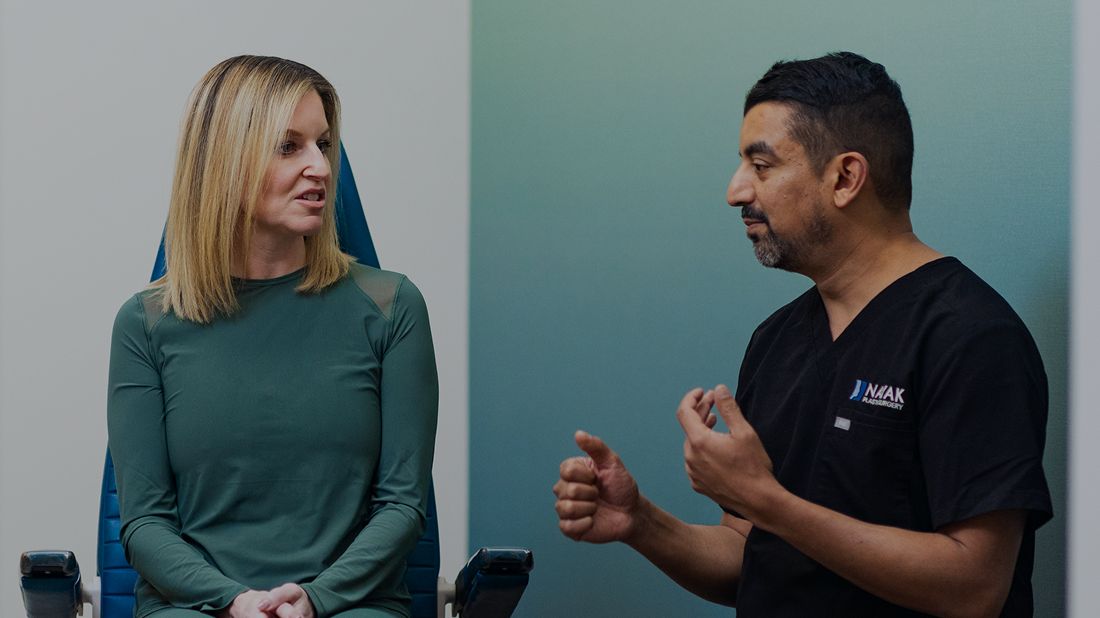


A brow lift, also called a forehead lift, is a cosmetic surgery procedure that repositions descended brow tissue. It can improve sagging brows, reduce upper-eyelid hooding caused by brow descent, and soften forehead wrinkles and frown lines.
A brow lift does not remove excess skin from the eyelids or correct every wrinkle around the eye area. Upper blepharoplasty treats the eyelid itself; the brow lift procedure addresses eyebrow position above it. Many patients have elements of both, so an accurate diagnosis matters before choosing a procedure.
A Brighter First Impression
A thoughtfully planned brow lift can:
The most flattering result comes from restoring a position and shape that suit your bone structure and facial proportions.
You may be a good candidate if low eyebrows contribute to upper-eye hooding, make you appear tired or upset, or no longer improve enough with nonsurgical treatment. Ideal candidates are healthy non-smokers with realistic expectations who can follow preparation and recovery instructions.
Surgery may not be the right answer when the concern comes mainly from excess eyelid skin, volume loss, skin texture, or dynamic forehead lines without meaningful brow descent. Smoking or vaping, uncontrolled medical conditions, medications that affect healing, and unrealistic expectations may also affect candidacy.
Tailored by Design
There is no single technique for every face. Planning should account for brow shape, forehead height, hairline position, skin quality, and the direction of lift required.
Dr. Nayak’s signature minimal-incision brow lift uses small incisions hidden in the hair to control the position, rotation, and elevation of different brow sections. The plan can emphasize the outer third, central lift, brow rotation, or a tailored combination.
An endoscopic brow lift uses small scalp incisions and a slender camera to guide precise forehead repositioning. A mini brow lift focuses on a limited area. Dr. Nayak generally favors endoscopic brow and mini approaches when they can provide the intended correction.
Traditional brow lift surgery or a hairline-based approach may be considered when forehead height, hairline position, sagging skin, or the degree of correction makes it the better choice. Hairline lowering can address eyebrow position while shortening an overly tall forehead in selected patients.
A coronal brow lift uses a longer incision across the hair-bearing scalp and may be considered when more extensive access is required.
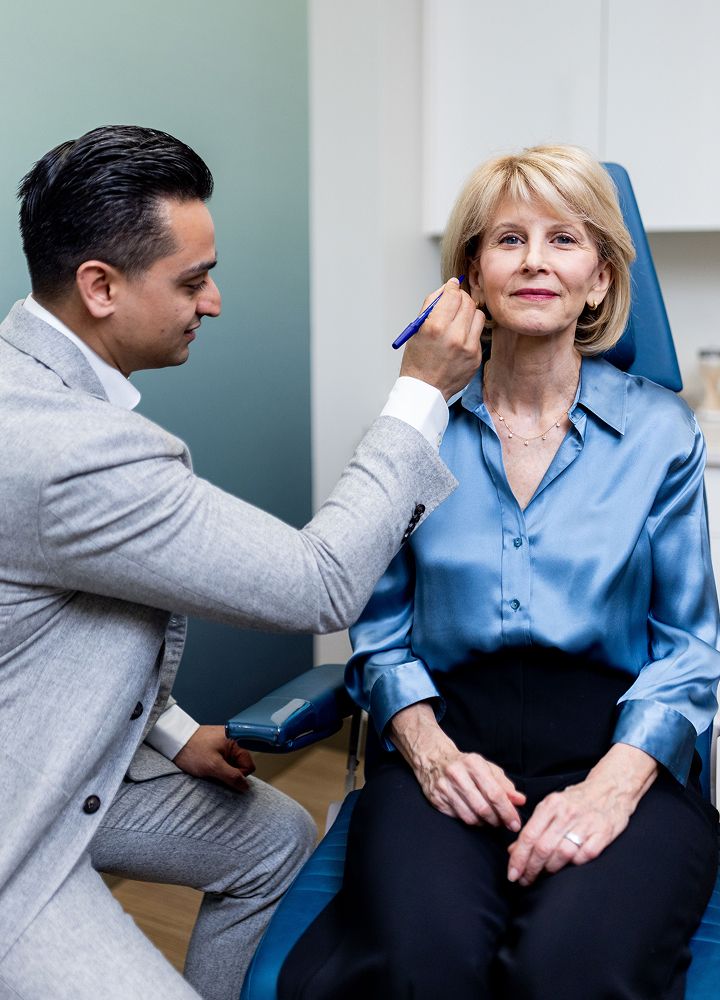
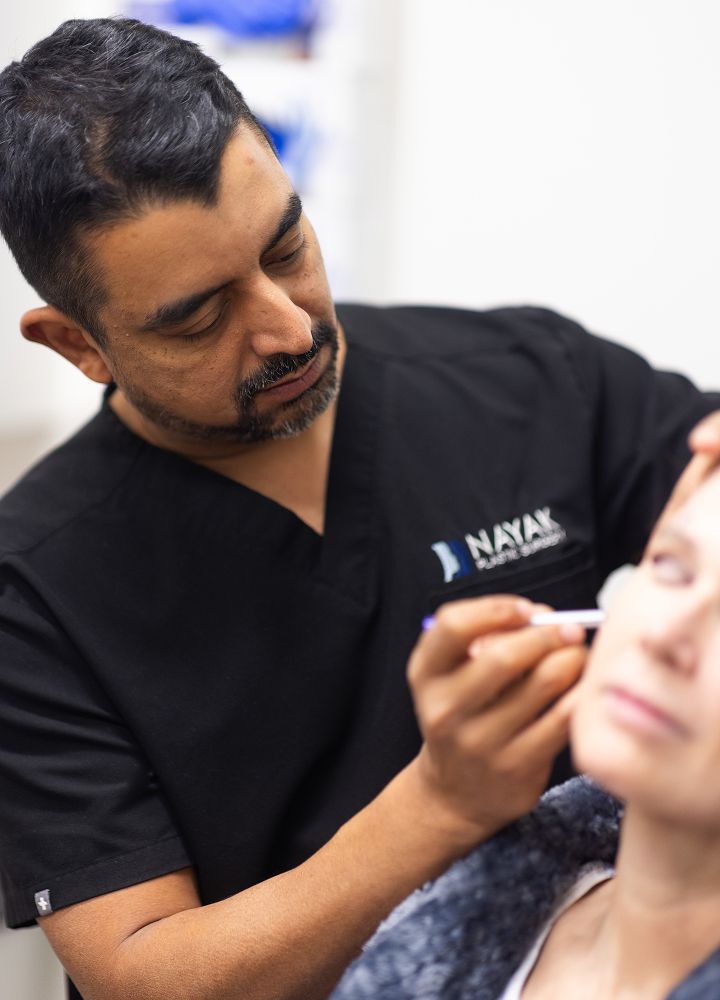
Your brow lift procedure begins with markings based on how your eyebrows sit, move, and relate to your eyelids and hairline. Through the selected incision pattern, the surgeon releases and repositions descended forehead tissue. The brow can be adjusted by region to preserve balance and avoid excessive elevation.
For medically appropriate brow lift patients, this outpatient surgery is performed under IV sedation in Nayak Plastic Surgery’s accredited, private surgical facility. Incisions are placed within or along the hairline when the approach allows. Your exact plan is confirmed during the initial consultation.
Your Return, Mapped
Expect swelling, bruising, tightness, and temporary sensation changes. Many patients report a headache the first night, followed by a swollen or bruised feeling rather than significant pain. Rest with your head elevated and follow your postoperative instructions.
Light tasks or remote work may feel manageable after the first few days. Visible bruising often improves within one to two weeks, so Nayak Plastic Surgery generally recommends about 10 days away from in-person work. A mini brow lift may require less time.
Swelling and discoloration continue to resolve. Resume exercise and lifting only as cleared. Incisions may remain pink or firm while they mature.
Residual swelling settles, sensation continues to normalize, and incision lines fade. Healing varies with the brow lift technique, combined procedures, and your individual response.

Naturally Refreshed
Improvement becomes visible as early swelling subsides, with a refreshed appearance emerging over the following weeks and months. The change is long-lasting, although cosmetic surgery cannot stop aging.
Sun protection and thoughtful skin care support the forehead and surrounding skin. Nonsurgical treatments may later manage dynamic wrinkles or texture, but they do not replace surgical repositioning.
A brow lift repositions low brow tissue. Upper blepharoplasty removes or reshapes excess upper-eyelid tissue but does not reposition the brow. Botox relaxes selected muscles and may produce a subtle, temporary brow change, but it cannot reliably correct meaningful tissue descent.
Some patients need only one treatment. Others benefit from combining brow lift surgery with eyelid surgery when aging affects both the eyebrows and upper eyelids.
Designed to Work Together
Yes. A brow lift may be combined with blepharoplasty or other procedures in a broader facial rejuvenation plan involving a deep plane facelift, deep neck lift, fat transfer, or skin resurfacing. Combination surgery is recommended only when it can be safely performed and improves facial balance.
Planning Your Investment
Brow lift surgery costs vary with technique, complexity, and combined procedures. Current pricing with Dr. Nayak is $50,000, or $65,000 with hairline lowering. His procedure is offered as an add-on; a stand-alone option is available through Dr. Kachare. Published prices include facility and anesthesia fees and may change. Cosmetic surgery is generally not covered by health insurance.
Nayak Plastic Surgery accepts multiple payment methods and offers third-party financing through PatientFi for qualified applicants. Financing terms and approval are determined by the lender.

Facial Expertise Matters
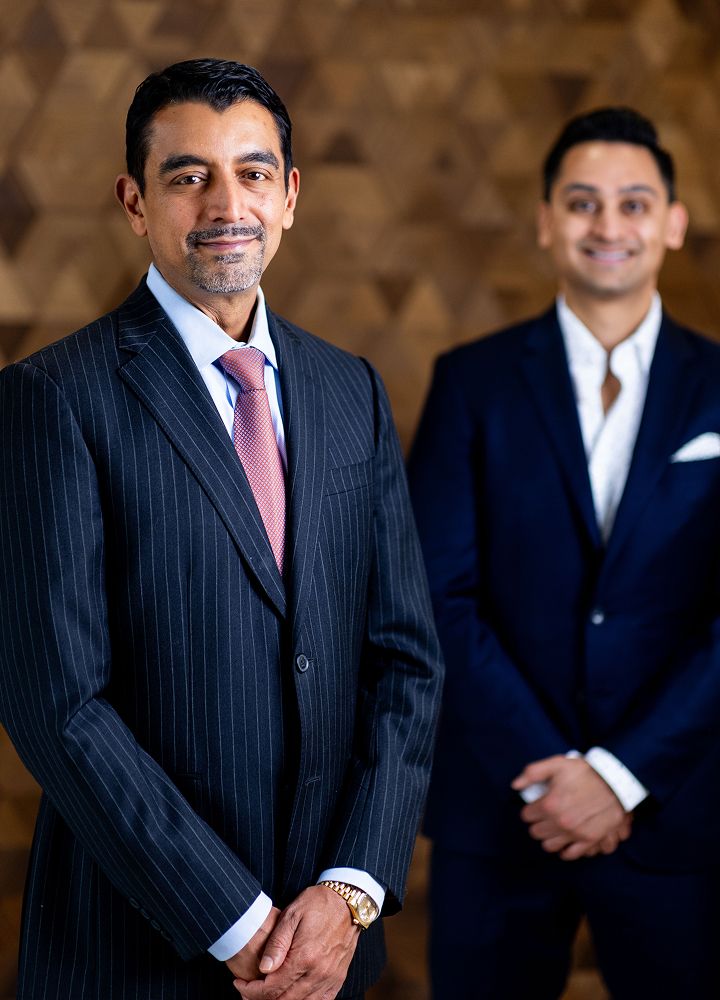
Dr. Laxmeesh “Mike” Nayak is a triple board-certified facial plastic surgeon focused on facial anatomy and natural-looking rejuvenation. His background includes surgical training at Harvard and an American Academy of Facial Plastic and Reconstructive Surgery fellowship. He also teaches other surgeons.
That experience matters in brow lift surgery, where a few millimeters can change expression. Dr. Nayak evaluates the eyebrows, eyelids, forehead, and upper face together, then plans the direction, degree, and distribution of lift accordingly.
What Patients Ask
That is not the goal. Careful planning restores a brow position and shape that fit your features while preserving normal facial expression.
Most patients describe pressure, tightness, swelling, or a headache early in recovery rather than severe pain. Medication and postoperative instructions help manage discomfort.
Scar location depends on the technique. Minimal-incision and endoscopic approaches typically place short incisions within the hair-bearing scalp. A hairline approach places the incision along the hairline. Incisions usually fade, although every incision leaves a permanent scar and visible scarring is a possible risk.
Results can be long-lasting, but surgery does not stop aging. Skin quality, tissue behavior, sun exposure, health habits, and surgical technique all influence longevity.
It depends on where the heaviness begins. A low brow requires a different correction than excess upper-eyelid skin. Some patients benefit from one procedure; others need both.
Plan on approximately 10 days away from in-person work, although light remote work may be possible sooner. Your timeline depends on bruising, swelling, and any combined procedures.
Risks include bleeding, infection, anesthesia complications, asymmetry, sensation changes, hair loss near incisions, elevated hairline, scarring, nerve injury, poor wound healing, and possible revision. Your surgeon will discuss the risks relevant to your anatomy and plan.
Start With a Conversation
If a low brow is changing the way your eyes or expression appear, a precise evaluation can clarify whether surgery is the right solution. Request a consultation with Nayak Plastic Surgery in St. Louis to discuss your anatomy, goals, options, recovery, and expected result.
Frontenac
Monday: 8:00 AM – 5:00 PM
Tuesday: 8:00 AM – 7:00 PM
Wednesday: 8:00 AM – 5:00 PM
Thursday: 8:00 AM – 7:00 PM
Friday: 8:00 AM – 5:00 PM
Saturday: 8:00 AM – 12:00 PM
Sunday: Closed
Des Peres
Monday: Closed
Tuesday: 8:00 AM – 7:00 PM
Wednesday: 8:00 AM – 5:00 PM
Thursday: 8:00 AM – 7:00 PM
Friday: 8:00 AM – 5:00 PM
Saturday: Closed
Sunday: Closed
Chesterfield
Monday: 8:00 AM – 5:00 PM
Tuesday: 8:00 AM – 5:00 PM
Wednesday: 8:00 AM – 5:00 PM
Thursday: 8:00 AM – 5:00 PM
Friday: 8:00 AM – 5:00 PM
Saturday: Closed
Sunday: Closed